

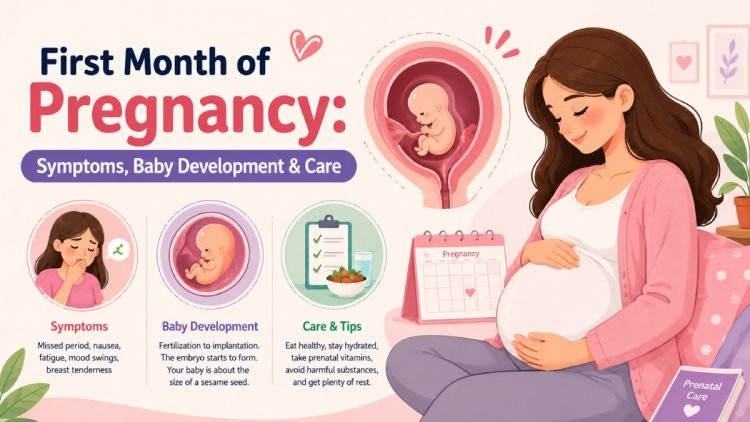
What Changes Happen in the First Month of Pregnancy? Symptoms, Baby’s Development & Care
The first month of pregnancy is a time of major changes, even though many women may not notice any obvious physical difference yet. Some women experience early pregnancy symptoms such as tiredness, breast tenderness, nausea, frequent urination, bloating, or changes in taste and smell. Others may have very few symptoms—or none at all.
Pregnancy is usually dated from the first day of the last menstrual period (LMP). This means that during the first two weeks of the pregnancy timeline, conception may not have happened yet. Ovulation and fertilization usually occur later in the cycle, followed by implantation of the fertilized egg in the uterus.
So, what exactly happens during the first month of pregnancy? What are the early pregnancy symptoms, how does the baby develop, what should you eat, and when should you contact a doctor?
Let's take a closer look.
What Does the First Month of Pregnancy Mean?
The first month generally covers approximately weeks 1 through 4 of pregnancy.
However, pregnancy is not counted from the day of conception. Healthcare professionals usually calculate pregnancy age from the first day of your last menstrual period.
This means that during the first and second weeks, you may not actually be pregnant yet. Your body is preparing for ovulation, and conception usually occurs around the middle of the menstrual cycle, although the timing can vary from person to person.
By the fourth week, many women may begin to suspect that they are pregnant, particularly if their period is late.
What Happens During Each Week of the First Month?
Week 1: Your Body Prepares for Pregnancy
The first week is counted from the first day of your last menstrual period.
At this stage, your period may still be occurring and your body is preparing for ovulation. Therefore, typical pregnancy symptoms are not usually expected during this week.
This is one reason why the pregnancy timeline can sometimes be confusing.
Week 2: Ovulation
During the second week, your body prepares for ovulation.
An egg is released from the ovary. If sperm fertilizes the egg around this time, conception can occur.
The exact timing of ovulation is different for every woman and can depend on the length and regularity of the menstrual cycle.
Week 3: Fertilization and Implantation
After fertilization, the fertilized egg begins dividing and travels toward the uterus.
It eventually attaches to the lining of the uterus. This process is called implantation.
Some women may notice very light spotting around this time, while others experience no noticeable symptoms at all.
Week 4: Early Pregnancy Symptoms May Begin
By the fourth week, some women start noticing signs that they may be pregnant.
A missed period is one of the earliest and most reliable signs for women who normally have regular menstrual cycles. Other symptoms may also begin as pregnancy hormones increase.
Early Pregnancy Symptoms in the First Month
Not every woman experiences the same symptoms during early pregnancy.
Some women may notice several changes, while others may feel almost completely normal.
Common early pregnancy symptoms include:
1. A Missed Period
If you have a regular menstrual cycle, a missed period is one of the earliest and most reliable signs of pregnancy.
However, a late or missed period can also happen for other reasons, including stress, changes in weight, hormonal conditions, illness, or changes in your menstrual cycle.
A pregnancy test can help confirm whether you are pregnant.
2. Sore or Tender Breasts
Hormonal changes can make your breasts feel:
-
Tender
-
Fuller or heavier
-
Swollen
-
Sensitive to touch
You may also notice that the veins become more visible or that the nipples become darker as pregnancy progresses.
3. Tiredness and Fatigue
Feeling unusually tired is very common during early pregnancy.
Hormonal changes, particularly during the first trimester, can make you feel sleepy or exhausted even after getting enough rest.
Try to listen to your body and get enough sleep and rest.
4. Nausea or Vomiting
Nausea is commonly known as morning sickness, but it can actually happen at any time of day or night.
Pregnancy-related nausea often begins around 4 to 6 weeks of pregnancy, although the timing varies between women.
Some women experience only mild nausea, while others may vomit.
If you cannot keep food or fluids down, speak to a healthcare professional because severe vomiting can lead to dehydration and may require treatment.
5. Frequent Urination
You may notice that you need to urinate more often than usual, including during the night.
Frequent urination can occur during early pregnancy and may continue throughout pregnancy.
6. Changes in Taste and Smell
Some women notice that their sense of smell becomes stronger.
You may suddenly dislike foods or drinks that you previously enjoyed. Some women also experience a metallic taste in their mouth or develop cravings for particular foods.
7. Mood Changes
Hormonal changes can affect your emotions during early pregnancy.
You may feel:
-
More emotional than usual
-
Irritable
-
Anxious
-
Excited
-
Worried about the pregnancy
Emotional changes can also be influenced by concerns about childbirth, finances, relationships, or becoming a parent.
If anxiety, sadness, or low mood becomes persistent or starts affecting your daily life, talk to your doctor or another healthcare professional.
8. Bloating and Constipation
Hormonal changes can affect digestion and may cause:
-
Bloating
-
Gas
-
Constipation
-
A feeling of fullness
These symptoms can occur during early pregnancy.
Eating a balanced diet, drinking enough fluids, and staying physically active when appropriate may help.
9. Increased Vaginal Discharge
Some women notice more vaginal discharge during early pregnancy.
Normal pregnancy discharge is generally thin or milky white and should not have an unpleasant smell or cause significant irritation.
If you notice a strong odor, itching, burning, pain, or unusual discharge, contact a healthcare professional.
10. Mild Abdominal Cramping
Mild cramping that feels somewhat similar to period pain can occur during early pregnancy.
Some women may also experience very light spotting. However, bleeding during pregnancy should not automatically be assumed to be harmless.
If the pain is severe, persistent, worsening, or accompanied by significant bleeding, seek medical attention promptly.
What Changes Happen in Your Body During the First Month of Pregnancy?
Even when you do not look pregnant, your body is already undergoing hormonal and physiological changes.
You may notice:
-
Breast tenderness
-
Increased tiredness
-
Nausea
-
Changes in appetite
-
Increased sensitivity to smells
-
Frequent urination
-
Bloating
-
Constipation
-
Mood changes
-
Increased vaginal discharge
However, having few or no symptoms does not necessarily mean that something is wrong.
Every pregnancy is different, and some women experience very few early symptoms.
Does Your Belly Get Bigger in the First Month of Pregnancy?
Usually, your belly does not become noticeably larger during the first month.
At around week 4, the developing embryo is extremely small—about the size of a poppy seed according to NHS guidance. Most women will not have a visible pregnancy bump at this stage.
However, hormonal changes may cause bloating, which can make your stomach feel fuller or slightly swollen.
A visible pregnancy bump usually appears much later.
What Happens to the Baby During the First Month?
Although the baby is extremely small during the first month, important developmental processes are already beginning.
After fertilization, the developing embryo divides into more cells and travels toward the uterus. It then implants into the uterine lining.
By around week 4, the embryo is approximately the size of a poppy seed. Even though there may be almost no visible change from the outside, significant development is taking place inside the uterus.
This is why the earliest weeks of pregnancy are an important time for healthy habits and appropriate prenatal care.
How Can You Confirm Pregnancy?
If your period is late and you think you may be pregnant, you can take a home pregnancy test.
A correctly performed positive home pregnancy test is generally very reliable. However, a negative result may be less reliable if the test is taken too early.
If the test is negative but your period still does not come and you continue to think you may be pregnant, consider repeating the test after about a week.
Once pregnancy is confirmed, arrange appropriate prenatal care with a qualified healthcare professional.
What Should You Do During the First Month of Pregnancy?
The first month is a good time to establish healthy habits.
1. Take Folic Acid
Folic acid is particularly important during the earliest stages of pregnancy because the baby's neural tube develops very early.
The CDC recommends that women who can become pregnant consume 400 micrograms (mcg) of folic acid every day to help prevent neural tube defects. Ideally, folic acid should be started before pregnancy and continued during early pregnancy.
If you have previously had a pregnancy affected by a neural tube defect or have another medical reason requiring a higher dose, your healthcare professional may recommend a different dosage. Do not take a high dose without medical advice.
2. Eat a Balanced Diet
You do not need to "eat for two" during the first month.
Instead, focus on a varied and nutritious diet that includes:
-
Vegetables
-
Fruits
-
Whole grains
-
Lentils and beans
-
Eggs
-
Fish
-
Well-cooked meat
-
Pasteurized dairy products
-
Nuts and seeds
-
Plenty of fluids
A balanced diet is more important than simply increasing the amount of food you eat.
3. Avoid Alcohol and Smoking
Avoid alcohol during pregnancy.
Smoking and exposure to tobacco smoke should also be avoided because they can negatively affect pregnancy and fetal health.
If you smoke and are trying to quit, speak with a healthcare professional about safe support options.
4. Be Careful With Medicines
Do not start, stop, or change prescription medicines without discussing them with your doctor.
Some medicines are not suitable during pregnancy, while others may be important to continue.
If you take regular medication, tell your healthcare professional that you are pregnant or may be pregnant.
5. Get Enough Rest
Fatigue is common during early pregnancy, so give your body enough time to rest.
Try to maintain a regular sleep schedule and avoid pushing yourself when you are extremely tired.
6. Stay Physically Active When Appropriate
Pregnancy does not automatically mean that you need to avoid all physical activity.
If your pregnancy is uncomplicated and your healthcare professional has not advised you to restrict activity, appropriate physical activity can generally be part of a healthy pregnancy.
However, avoid starting an intense or unfamiliar exercise routine without professional guidance.
What Foods Should You Avoid During the First Month of Pregnancy?
Food safety becomes particularly important during pregnancy.
Depending on your local food-safety guidance, you may need to avoid or limit certain foods that can increase the risk of infection or other pregnancy-related problems.
Be particularly careful with:
-
Alcohol
-
Raw or undercooked meat
-
Raw or undercooked eggs
-
Unpasteurized dairy products
-
Unwashed fruits and vegetables
-
Foods that may be contaminated or improperly stored
-
Unregulated herbal products or supplements
Wash fruits and vegetables thoroughly and make sure meat and eggs are properly cooked.
If you are unsure whether a particular food or supplement is safe during pregnancy, ask your healthcare professional.
Can You Have Sex During the First Month of Pregnancy?
In an uncomplicated pregnancy, sexual activity is generally not automatically prohibited simply because you are in the first month.
However, there are situations where a healthcare professional may recommend avoiding sex—for example, if there is significant bleeding, certain pregnancy complications, or another medical concern.
If you have bleeding, significant pain, or have been specifically advised to avoid sexual activity, follow your healthcare professional's advice.
Can You Have an Ultrasound During the First Month?
Not every woman needs an ultrasound during the first month.
The timing of an ultrasound depends on factors such as:
-
Your last menstrual period
-
Estimated gestational age
-
Symptoms
-
Bleeding or abdominal pain
-
Previous pregnancy history
-
Your healthcare professional's assessment
An ultrasound may be recommended earlier when there is a clinical reason to evaluate the pregnancy.
Therefore, do not assume that you must have an ultrasound simply because you are in the first month. Follow the advice of your doctor or maternity care provider.
When Should You See a Doctor During the First Month?
Seek medical advice promptly if you experience concerning symptoms such as:
-
Heavy vaginal bleeding
-
Severe or persistent abdominal pain
-
Severe dizziness or fainting
-
Severe vomiting or inability to keep fluids down
-
Fever
-
Difficulty breathing
-
Chest pain
-
Severe or worsening headache
-
Significant changes in vision
-
Any symptom that feels unusual or serious
Light spotting can occur in early pregnancy, but bleeding should still be discussed with a healthcare professional, particularly if it is more than light spotting or is accompanied by pain.
Emotional Changes During the First Month of Pregnancy
Pregnancy can bring a mixture of emotions.
You may feel happy and excited one moment and worried or overwhelmed the next.
Common concerns may include:
-
Fear about the baby's health
-
Anxiety about childbirth
-
Financial concerns
-
Changes in relationships
-
Concerns about becoming a parent
-
Changes in your body
-
Uncertainty about the future
These feelings can be normal, but you should not feel that you have to deal with them alone.
Talk to your partner, family, friends, midwife, doctor, or another trusted healthcare professional if you are struggling emotionally.
If anxiety or low mood becomes severe or persistent, seek professional support.
First Month of Pregnancy: Simple Care Checklist
Here is a simple checklist to help you get started:
-
Confirm the pregnancy with an appropriate pregnancy test
-
Arrange prenatal care
-
Ask your healthcare professional about folic acid
-
Review any regular medicines with your doctor
-
Eat a balanced and nutritious diet
-
Drink enough fluids
-
Avoid alcohol and smoking
-
Get enough sleep and rest
-
Stay appropriately active if your healthcare professional allows it
-
Avoid unsafe foods and unregulated supplements
-
Pay attention to unusual symptoms
-
Seek medical advice if you experience significant bleeding or severe pain
Frequently Asked Questions About the First Month of Pregnancy
How can I tell if I am pregnant during the first month?
A missed period is one of the earliest and most reliable signs if you normally have regular periods. Other possible symptoms include breast tenderness, tiredness, nausea, frequent urination, changes in taste or smell, and increased vaginal discharge.
The best way to confirm pregnancy is with an appropriate pregnancy test.
Can I feel the baby moving during the first month?
No. The embryo is far too small for you to feel movement during the first month.
Fetal movement is usually felt much later in pregnancy.
Does your belly get bigger during the first month?
Usually not.
The embryo is extremely small at this stage, and most women do not have a visible pregnancy bump during the first month. Bloating may make your abdomen feel fuller, however.
Can morning sickness start during the first month?
Yes.
Pregnancy-related nausea commonly begins around weeks 4 to 6, although every pregnancy is different. It can happen at any time of day, not just in the morning.
Is mild abdominal pain normal during the first month?
Mild cramping can occur during early pregnancy.
However, severe, persistent, or worsening abdominal pain—especially when accompanied by bleeding—should be evaluated by a healthcare professional.
Is light bleeding normal during the first month?
Some women experience light spotting during early pregnancy, but bleeding should not automatically be considered normal.
If you experience bleeding during pregnancy, particularly if it is heavy or accompanied by significant pain, seek medical advice promptly.
How big is the baby during the first month?
Around week 4, the embryo is approximately the size of a poppy seed. It is still extremely small, but important developmental changes are already taking place.
What should I eat during the first month of pregnancy?
Focus on a balanced diet containing vegetables, fruits, whole grains, legumes, eggs, fish, properly cooked meat, and safe dairy products.
You should focus on nutritional quality rather than simply eating more food.
What should I avoid during the first month of pregnancy?
Avoid alcohol, smoking, raw or undercooked animal products, unpasteurized foods, poorly washed produce, and unregulated supplements or herbal products.
If you are unsure about a particular food or supplement, consult a healthcare professional.
Final Thoughts
The first month of pregnancy may not look very different from the outside, but important changes are already taking place inside the body.
Some women experience noticeable symptoms such as nausea, fatigue, breast tenderness, frequent urination, bloating, and changes in taste or smell. Others may have very few symptoms. Both experiences can occur in a healthy pregnancy.
If you think you may be pregnant, confirm it with an appropriate pregnancy test and arrange prenatal care. Start developing healthy habits early, pay attention to your nutrition, discuss folic acid with your healthcare professional, and avoid alcohol and smoking.
Most importantly, do not ignore significant bleeding, severe pain, persistent vomiting, or other concerning symptoms.
This article is intended for general health information and does not replace personalized medical advice. Always consult a qualified healthcare professional for advice based on your individual pregnancy and medical history.